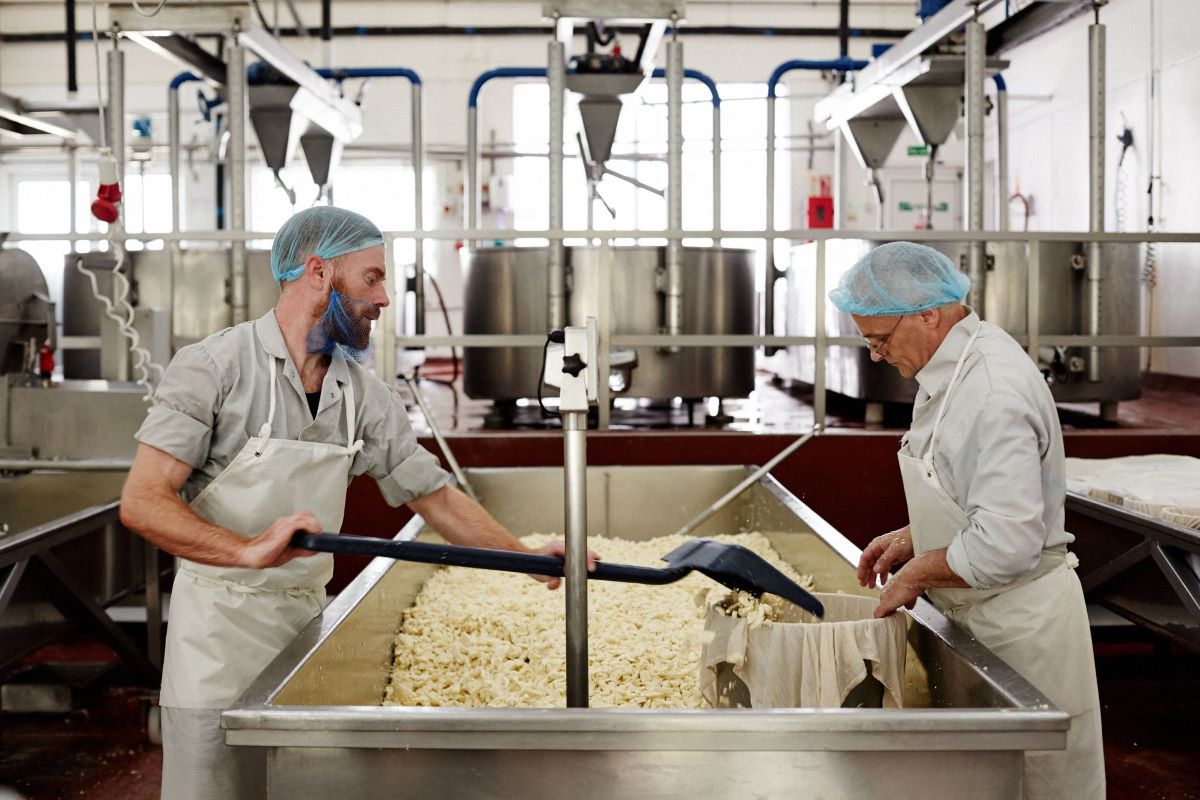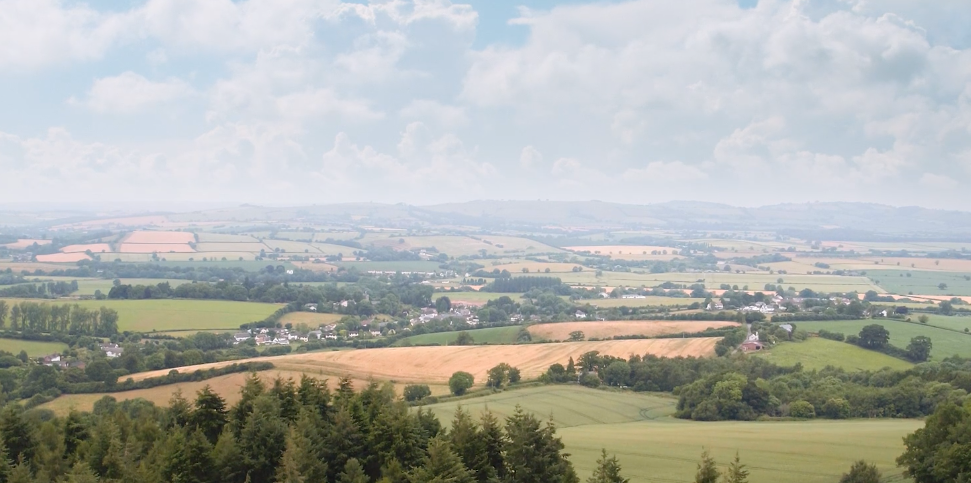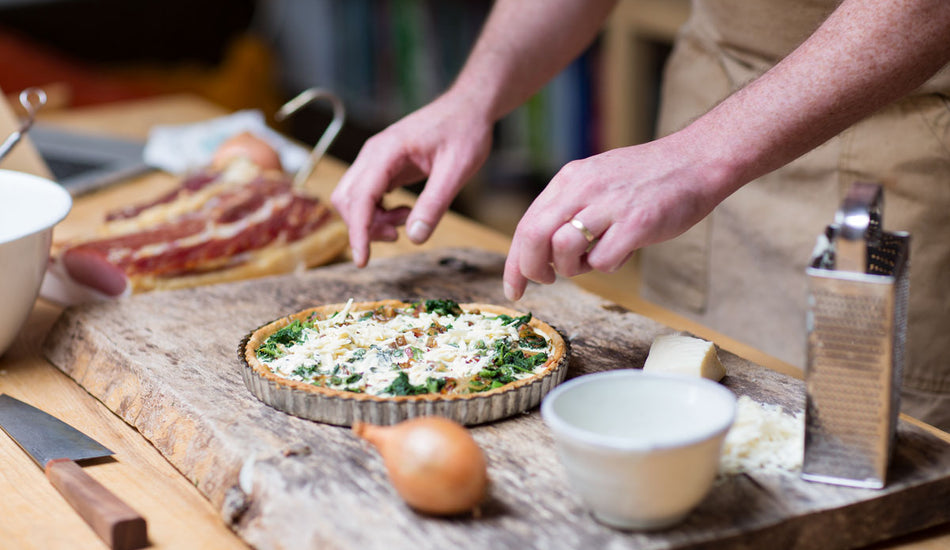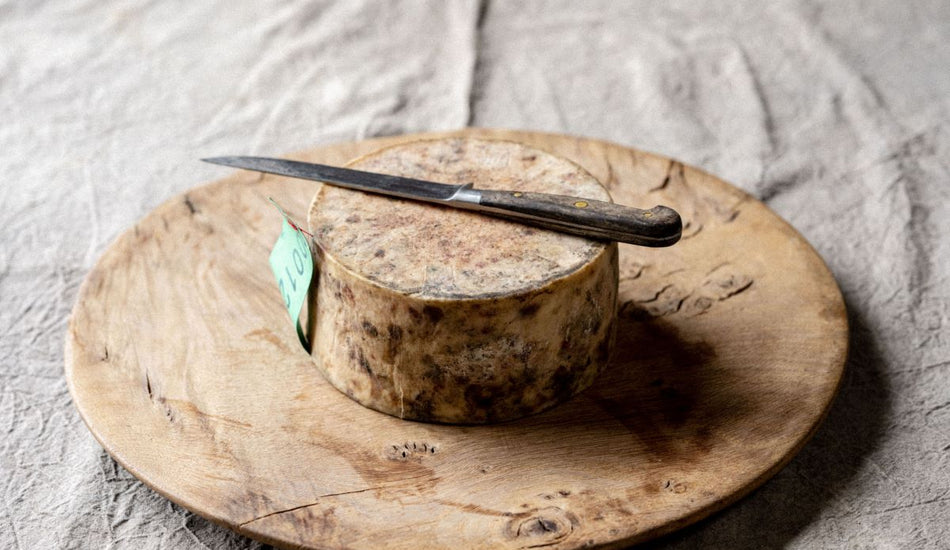
| Every month you can read about life here at Home Farm. At the end of every entry is a tasty recipe for you to try 1st July 10 - July on the FarmJuly, and the sun is already past its peak, almost before we’ve spotted it’s summer. So many plants and animals know that’s where we are and change their growth and behaviour. The drive to leaf becomes the drive to fruit. Hatchlings are pushed out of the nest, and if there’s enough food, another brood started. Leaves on the trees imperceptibly but surely turn from new, fresh, light and infinitely coloured leaves into heavy and hardworking tresses. CROPS - In the fields, the wheat moves from green ear-shaped but insubstantial flower into filling ear, and we hope for a fine Wimbledon because that’s when it pollinates, and the wind-borne pollen gets washed onto the ground by rain - joy for hayfever sufferers, but less full ears of corn. One or two less grains on each ear matters if you’ve millions of ears in a field. Deer are getting fat grazing our crops to feed their young. Before the grain harvest, dependent on how much extra winter food we need, we’ll cut some of the wheat fields for silage. We cut the whole wheat plant, ear and straw together, just before it’s ripe and chop it up and take it to the silage pit, squash it down with a big tractor and cover it with plastic and weight it down to exclude the air. That’ll make a lovely feed for the late winter and spring, when the grazed grass is so soft, no fibre, nothing to hold the grass from going straight through the cows, and a nice bit of stored sunshine in the grain to give them a bit of energy. COWS - Most of the spring calving cows are in calf again. Our crossbreed cows (Friesian, Swedish Red and Montbeliarde) don’t give as much milk as Holstein cows (although it’s lovely for cheesemaking) but they are very fertile, unlike the Holsteins - a body won’t do huge milk and get in calf at the same time. Less milk, and your body is willing to conceive or ‘hold to service’ (grow the fertilized egg on). The bulls keep checking hopefully to see if anyone’s in need, but less and less are. We will let the bulls carry on serving the stragglers to get them in calf so that we can sell them as in-calf cows for milking in someone else’s herd, instead of going ‘to market’ (polite for ‘to slaughter’). CALVES - The calves are looking lovely, all shiny coated and eager looks. We are still feeding the youngest on milk, but plan to stop soon. It helps them when they are young to have milk, as they can’t graze properly, more nibble the most tender shoots, and they are susceptible to various parasites if you make them graze too close to the soil. It’s all extra work taking the little mobile tank of milk behind the quad bike out to the field, so we do it for as long as they need it, then wean them. Their big sisters, a year older, are in calf now, but you can’t tell yet, they are boisterous and lively, dashing from one end of the field to the other for the joy and fun of it, kicking and snorting and tossing imaginary horns along the way. CHEESE - The milk is of lovely composition, just right for our creamy flavours - becoming gloriously buttery even - complex and unfolding. In the hot weather the hard work in the cheese dairy is really hard, working over vats of warm milk, draining the whey off, cheddaring (turning the blocks of curd that gives the We have the relentless job of blowing the cheese mite from our cheese with compressed air, and sucking the mite up into a dust extractor. Cheese mite is so heartbreaking - we are dealing with some cheese that got damaged before we developed the blowing machine, and you take the cloth off and there is a ruin of a cheese. We sometimes struggle to get a handful of clean sixteenths out of a cheese, some of the rest delicious but non-standard blue cheddar or more often damaged beyond repair. By the middle of July we hope to see better cheese coming through, but forgive us, please, if there is a little blue in our cheese - good blue is wonderful. PRIZE - Royal Bath & West Show - Extra Mature Cheddar - Best Traditional (Bandage Wrapped) Cheese Spelt Pastry Spinach and Goats Cheese Pie Quantity for a 22cm pie tin and serves about 6 Pastry Filling Pastry. Sift flours together then rub in the butter until like breadcrumbs. Add cold water, 2 tbsp approx, until the pastry comes together but is not sticky. Rest in the fridge for about 30 minutes. Roll out and line pie tin. Prick all over the sides and bottom with a fork and bake in the heated oven for 10 minutes. Take out of oven and separate one of the eggs, keeping the yolk. Whisk the white briefly, and then tip into the pastry case and swirl around quickly until it is coated all over. Tip out any white that is left over. Put back in the oven for about 3 - 4 minutes until the white has set then remove. This stops the pastry going soggy when the filling is put in. Filling. Place the 2 whole eggs along with the yolk in a bowl. Add the cream cheese and whisk or beat until smooth. Add the spinach, about 120g of the goats cheese, nutmeg, salt and pepper to taste. Place in pastry case, sprinkle remaining goats cheese on the top and bake in the oven for about 40-45 minutes until the filling has set and is golden. Serve warm or cold. MARY QUICKE |
Archive |